
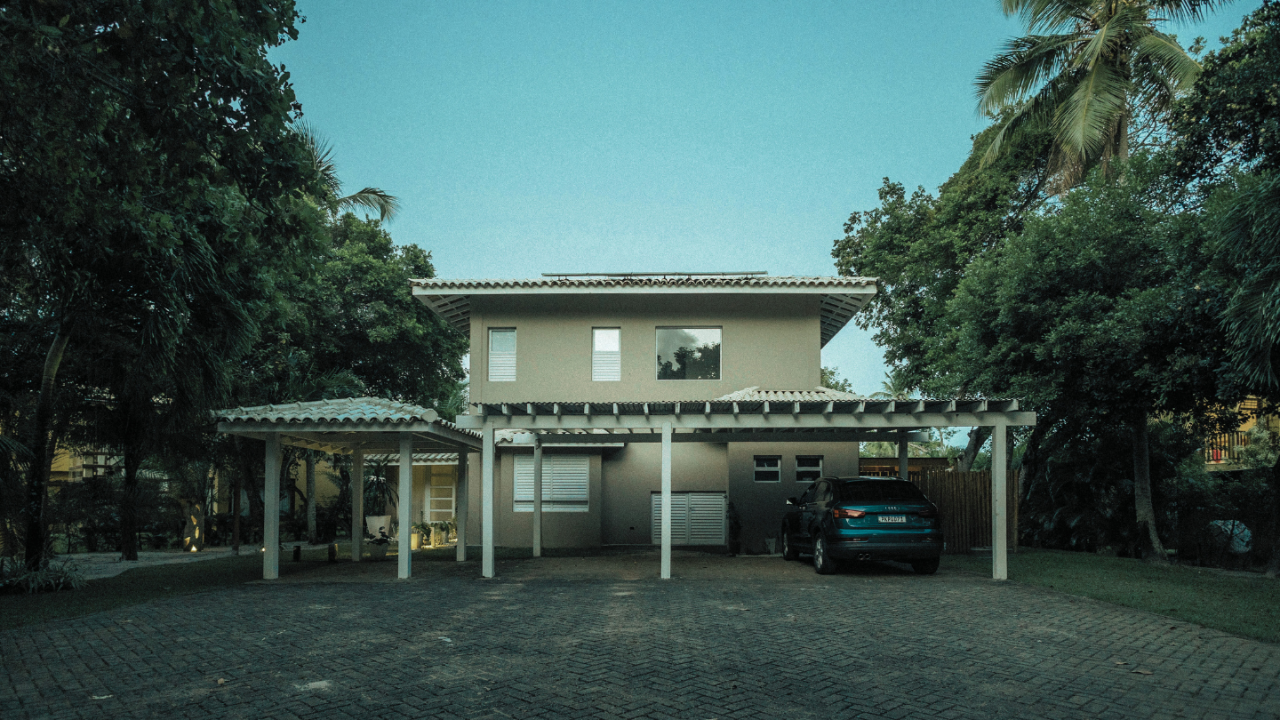
Branches dropping from neighbouring trees - the Oyster Bay dispute
Jan 07, 2026Disputes over trees growing on a neighbouring property can be emotionally charged and legally complex. Homeowners often face difficult questions when overhanging branches or falling limbs cause damage or raise concerns about safety. In these situations, Part 2 of the Trees (Disputes Between Neighbours) Act 2006 (NSW) provides a legal pathway to seek orders from the Land and Environment Court.
But not all applications succeed.
In the recent case of Shirlaw v McClenaughan [2025] NSWLEC 1803, the Court refused to make any orders regarding a large tree that had previously dropped a branch through the applicants’ roof. The decision provides valuable insight into how the Court applies the Trees Act, the importance of timely communication, and what level of risk justifies a court-ordered remedy.
Background of the Dispute
At the heart of the dispute was a large blackbutt tree (Eucalyptus pilularis) located in the backyard of the McClenaughans’ property in Oyster Bay. On 10 March 2024, a dead branch fell from the tree and pierced the roof of the neighbouring home belonging to Brendan and Carissa Shirlaw. The fallen branch caused significant damage, breaking through the kitchen ceiling while people were present in the house. However, the Shirlaws did not notify the McClenaughans of the incident at the time. It was only more than a year later, in July 2025, that the damage was mentioned in a text message.
In October 2025, the Shirlaws filed an application under Part 2 of the Trees (Disputes Between Neighbours) Act 2006 (NSW) seeking court orders that:
- A qualified arborist inspect the tree;
- All recommended work be carried out in a timely manner;
- Reassessment and maintenance continue on a regular cycle.
They had earlier sought compensation for the property damage but removed that claim before the hearing. The McClenaughans opposed the application and sought its dismissal.
The Legal Framework
The Court considered several key provisions of the Trees Act, namely:
- Section 7 - sets out who may apply and under what circumstances.
- Section 9 - gives the Court discretion to make orders to prevent or remedy damage to property or prevent injury to persons.
- Section 10 - requires that the applicant has made reasonable attempts to resolve the dispute and that the tree has caused, is causing, or is likely to cause damage or injury.
- Section 12 - lists additional matters the Court must consider, including the tree’s contribution to the local ecosystem, maintenance history, and actions of the parties.
Was the Tree Dangerous?
Yes, at least once. The Court accepted that the blackbutt tree had previously caused damage when a branch fell through the Shirlaws’ kitchen ceiling. This satisfied the threshold test under section 10 of the Act - the tree had caused damage to the applicants’ property.
However, the key question was whether the tree was likely to cause further damage or injury in the near future, such that court orders were justified.
What Did the Court Consider?
1. Reasonable Efforts to Resolve the Dispute
The Court found that the Shirlaws had made a reasonable effort to resolve the dispute, as required under section 10. A string of text messages between the parties showed an attempt to engage the McClenaughans in resolving the issue before resorting to litigation.
However, the Shirlaws only mentioned the fallen branch and resulting damage in a text sent in July 2025, over 16 months after the incident occurred. This raised concerns about the timeliness and transparency of the communication.
2. Steps Taken by the Respondents
The McClenaughans provided extensive evidence of efforts to maintain the tree:
-
Council approvals and arborist reports dating back to 2013;
-
A Council refusal to remove the tree in 2017, paired with pruning approval;
-
Recent tree pruning works in September 2025, completed in accordance with Council consent.
Photographic evidence showed that the most concerning branch - the one previously overhanging the Shirlaws’ house - had been significantly reduced.
The Court accepted that the McClenaughans had taken reasonable steps to manage the tree’s risks, both historically and in response to the Shirlaws’ concerns.
3. Environmental Significance of the Tree
The blackbutt tree was found to contribute positively to the local ecosystem, providing:
-
Habitat for native species;
-
Shading and cooling;
-
Air purification and rainwater interception;
-
Root structures that stabilised the property’s sloping land.
These environmental factors weighed against the need for further orders unless future damage was likely.
4. Likelihood of Further Damage or Injury
Ultimately, the Court concluded that the likelihood of further damage or injury was low. The recent pruning work had significantly reduced the canopy and overhang. The small portion of the Shirlaws’ backyard still under the tree’s crown was not heavily used. The Court also accepted the McClenaughans’ assurance that they would continue to maintain the tree.
The Decision
After weighing all factors, Commissioner Galwey refused the application.
“With the benefit of the onsite inspection, I find that the tree is unlikely to cause damage to the Shirlaws’ property in the near future or to cause injury to a person.”
The Court declined to make any orders requiring further inspections or maintenance. The judgment reaffirmed that mere concern or past damage is not enough. There must be a demonstrated, ongoing risk.
Lessons from the Case
✅ Timely Communication Is Critical
Delays in informing your neighbour about a tree-related incident may weaken your position in court. In this case, the Shirlaws only disclosed the damage over a year later, which affected how the Court viewed the urgency and seriousness of their claim.
✅ Not Every Incident Warrants Court Orders
Even though the tree had caused property damage in the past, the Court considered the current and future risk. The question was not “has it caused damage?” but “will it cause damage again soon?”
✅ Evidence of Ongoing Maintenance Matters
The McClenaughans were able to demonstrate a history of proper tree management, including professional pruning and compliance with Council requirements. This was a key factor in the Court’s decision.
✅ Environmental Considerations Are Increasingly Important
The Court took a holistic view of the tree’s role in the environment. As climate awareness increases, ecosystem value will continue to influence outcomes in tree disputes.
Practical Advice for Neighbours in Tree Disputes
If you are concerned about a neighbour’s tree:
-
Raise concerns promptly and in writing – Document the date, details, and your request.
-
Be specific - Identify what damage has occurred or what safety risk exists.
-
Allow time for your neighbour to respond - The Court expects you to attempt resolution before litigating.
-
Keep evidence - Photos, Council correspondence, arborist reports, and text messages can all help support your case.
-
Understand the legal threshold - The Court will only intervene if there is a real risk of damage or injury in the near future.
Conclusion: Not Every Tree Dispute Ends in Court Orders
The case of Shirlaw v McClenaughan illustrates the cautious and balanced approach taken by the Land and Environment Court when resolving tree disputes. Even where past damage is proven, the Court will consider the likelihood of future harm, the reasonableness of each party’s conduct, and the environmental value of the tree before making orders.
For property owners, the message is clear: don’t wait for conflict to escalate. Open communication and proper maintenance (backed by clear evidence) are often the best defence.
Are you starting a new business? And have no idea where to start in understanding the important laws of start-up?
Get your cafe off to the right start with our Cafe Kickstart course.
- 6 comprehensive modules
- 12 weeks of expert support
- real-world templates and checklists
- exclusive cafe owner community
Next intake - 24 October 2025 (limited spots available)
